THE “OTHER THINGS” THAT PROTECT MY MENTAL HEALTH
With all the injustice and economic uncertainty happening in the United States, I’ve noticed my mental health taking a hit. In my rearview mirror, I can see my depression slowly creeping closer.
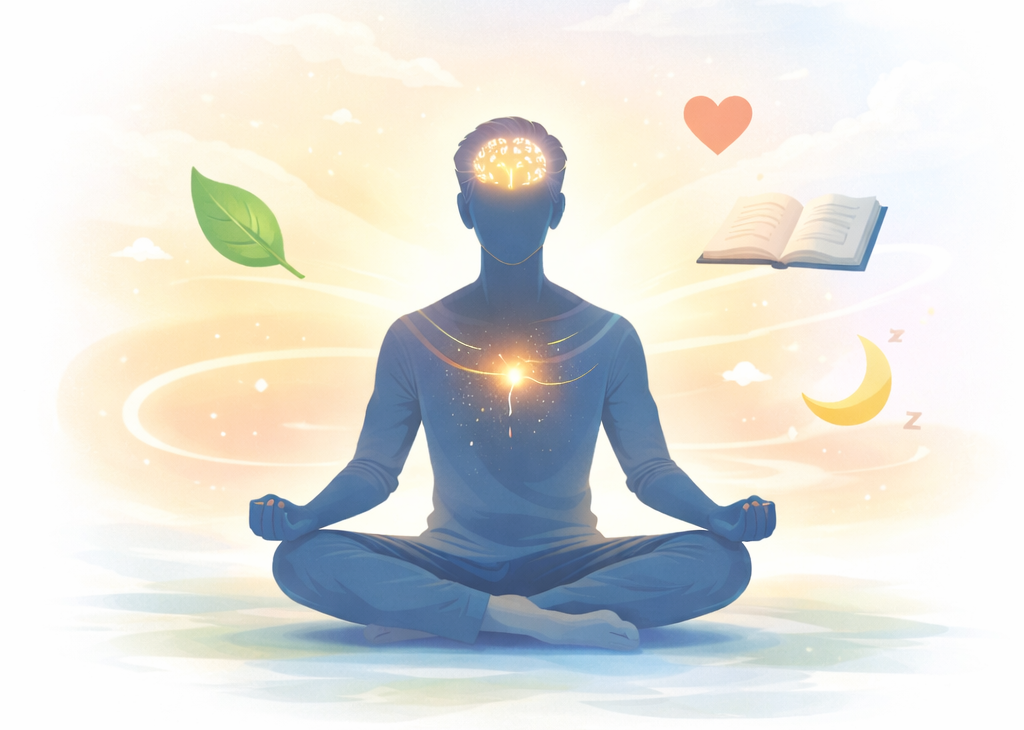
In the past, I was fortunate to have a great therapist who supported me. Reflecting on my past and current recovery journeys, therapy played a major role. At the same time, I relied on “other things” that helped guide me toward my restoration.
To prevent myself from slipping into another major episode of depression or anxiety, not only have I been continuously practicing those “other things,” I have doubled down on them with greater intention and focus.
When I refer to these “other things,” I’m not talking about mystical techniques learned from gurus while backpacking through Southeast Asia, or magical pills prescribed by a doctor. I’m talking about simple, fundamental practices that reconnect me to my basic human needs, the things my brain and body naturally crave.
Here are a few of the practices I use daily.
Food
It’s funny that when I’m stressed, I crave deep-fried spring rolls, fast-food burgers and tacos, burritos smothered in green and red chili, pizza, fried chicken, any type of fried potatoes and cheese, chips, and chocolate cheesecake, but rarely “healthier” foods like sushi, steak, tempura, bonchon, etc.
To counter these junk-food cravings, I’ve started cooking differently at home.
I once heard chefs and experienced home cooks talk about losing their appetite after prepping and cooking food. This happens because of something called palate fatigue. After smelling and tasting food while cooking, the brain can feel temporarily full.
So now I cook meals several hours before mealtime and keep them warm in the oven. Before eating, I often go for a walk or head to the gym to clear my nose of the cooking smells. By the time I return home, the aroma of the dishes hits me again, and my appetite comes back.
Another benefit I’ve noticed is how I use small pockets of time throughout the day. For example, if one meeting ends early and I have 10–15 minutes before the next one, I used to open social media and doomscroll. Now, I walk into the kitchen and start prepping my next meal, washing vegetables or chopping ingredients. Those small moments add up.
Breathwork
I used to meditate twice a day for about five to ten minutes, once in the morning and once before bed.
Now I’ve added two additional sessions throughout the day. The goal is simple: regulate my breathing consistently to reduce stress, so my mind stays calm, focused, and grounded.
Gratitude Practice
During these additional breathwork sessions, I always end with a brief moment of gratitude. Sometimes I give thanks for my dog. Other times, for the clean water I have access to, the amazing friends in my life, or the clients who trust me with their work. These small moments of appreciation help me stay hopeful and grounded.
Body Movements
Every day, I spend 45 minutes to an hour moving my body. This is non-negotiable. It’s scheduled on my calendar like any important meeting.
This movement might be strength training, stretching, or simply going for a walk. Research shows that even 15 minutes of daily exercise can significantly improve mental health and reduce depressive symptoms. Because of that, I take body movement very seriously.
Reading
I’ve also tripled my reading time, from about 20 minutes a day to nearly an hour. The urge to check the news or scroll social media is incredibly strong and addictive. What many of us don’t realize is that our desire to “stay informed” is exactly what these platforms rely on. Their business model is simple: keep us hooked long enough to harvest our attention, collect our data, and sell advertisements.
So instead of feeding the algorithm, I’m feeding my brain by continuing to develop the habit of reading books. The books I read range from mental health and psychology to science fiction, fantasy, short stories, and business books.
Sleep
Ultimately, I practice these “other things” so I can get a good night’s sleep. My brain, mind, and body can handle one or two bad nights of sleep. But anything beyond that, I can feel the shift. My depressive mood would be knocking on the door, my motivation and focus would be tanking, my craving for junk food would triple, and I would feel negative toward anyone around me and the world.
Growing up, I heard phrases like: “Sleep is for dead people,” “You can sleep when you are dead,” and “Sleep is for the weak.” Now we know that all these beliefs are straight-up BS and detrimental to people’s physical and mental health.
Now, I proudly prioritize sleep. I aim for at least eight hours each night, and I treat it as an investment in my well-being.
Many of you already know about these simple practices. But knowing something and actually doing it consistently are two very different things. My hope is that sharing my experience reminds you that the basics still matter. Sometimes the most powerful tools for protecting our mental health are the simplest ones. I hope my experience continues to inspire you to live and thrive in a more fulfilling way.
Recent Comments